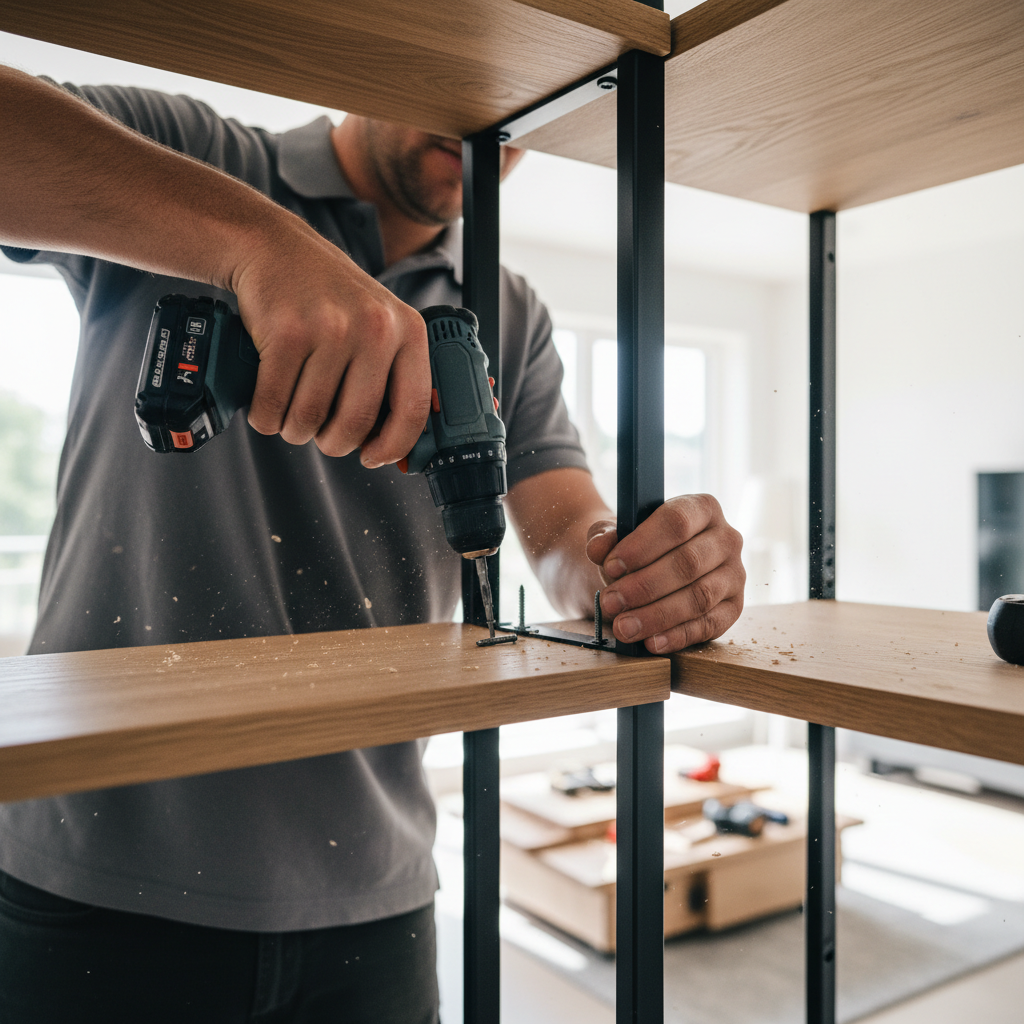
Homeowners can successfully handle minor DIY home repairs like patching drywall, replacing cabinet hardware, or fixing leaky faucets to save money and maintain their property. However, it is essential to call a professional for complex electrical work, structural modifications, or major plumbing issues to ensure safety and code compliance.
You stand in your Brooklyn living room looking at a leaning bookshelf or a flickering light, weighing the cost of a handyman against the time you will lose on a Saturday afternoon. It is tempting to grab a drill and dive in, yet many homeowners find themselves surrounded by incomplete projects or, worse, accidental damage that costs triple the original repair price. Understanding your own limits is the most practical skill you can possess. This guide will walk you through low-risk wins like basic furniture assembly and interior painting, while identifying the high-stakes tasks that demand a professional hand. From the nuances of secure TV mounting to the hidden dangers of plumbing and electrical systems, you will learn how to protect your investment and when to call in the experts at Ray's Home Help and Repair to ensure the job is finished correctly.
The DIY Boom in Brooklyn: Choosing Your Projects Wisely
Brooklyn residents have always been resourceful. With the rise of social media tutorials, the drive for DIY home repairs across the borough has reached an all-time high. Saving money on labor is a major factor, as is the personal satisfaction of maintaining a historic brownstone or a modern apartment with your own hands. However, the unique architectural landscape of New York City adds layers of complexity that a generic online video rarely covers.
A successful repair relies less on enthusiasm and more on thorough preparation and the right tools. In the context of older New York housing, a small mistake can quickly escalate into an expensive structural or mechanical issue. The difference between a weekend win and a costly call to a contractor often comes down to knowing exactly what lies behind your walls.
Ray's Home Help and Repair understands this balance. We recognize the desire for independence in home maintenance, but we also know the specific quirks of local housing stock. Our goal is to provide the expert perspective needed to help you decide which projects are worth your weekend and which ones, like professional painting services or secure TV mounting, benefit from a practiced hand. Knowing your limits is the first step toward a safer, better-maintained home.
Low Risk Wins: Minor Repairs Anyone Can Handle
Starting with a basic toolkit is non-negotiable for any resident looking to manage their space. A standard kit should include a 16 ounce claw hammer, a set of Phillips and flat head screwdrivers, and a nine inch torpedo level. These tools allow you to handle entry level tasks that keep a home looking sharp without risking the integrity of your apartment's infrastructure.
Nail holes from former tenants or old art collections are the most common cosmetic eyesore. Patching these is a high reward, low risk project. Using a small tub of lightweight spackle and a putty knife, you can fill the void, wipe away the excess with a damp cloth, and lightly sand it once dry. While this is a far cry from the extensive prep work required for professional painting services, it makes a massive difference in how a room feels.
Furniture touch ups are another manageable win. Scuffs on wooden chair legs or table edges often only need a furniture repair marker or a bit of wax filler to disappear. Similarly, changing light bulbs in standard, accessible fixtures is a basic maintenance task that every renter and homeowner should master. Unlike rewiring a socket, replacing a bulb is purely about matching the wattage and base type.
These DIY home repairs are classified as low risk because they do not impact the mechanical, electrical, or structural systems of the building. If a repair requires you to turn off the water main or cut into the drywall to find a pipe, the scope has shifted. Stick to these surface level improvements to build confidence before considering more labor intensive projects like expert furniture assembly.
Furniture Assembly: When a Box Becomes a Burden
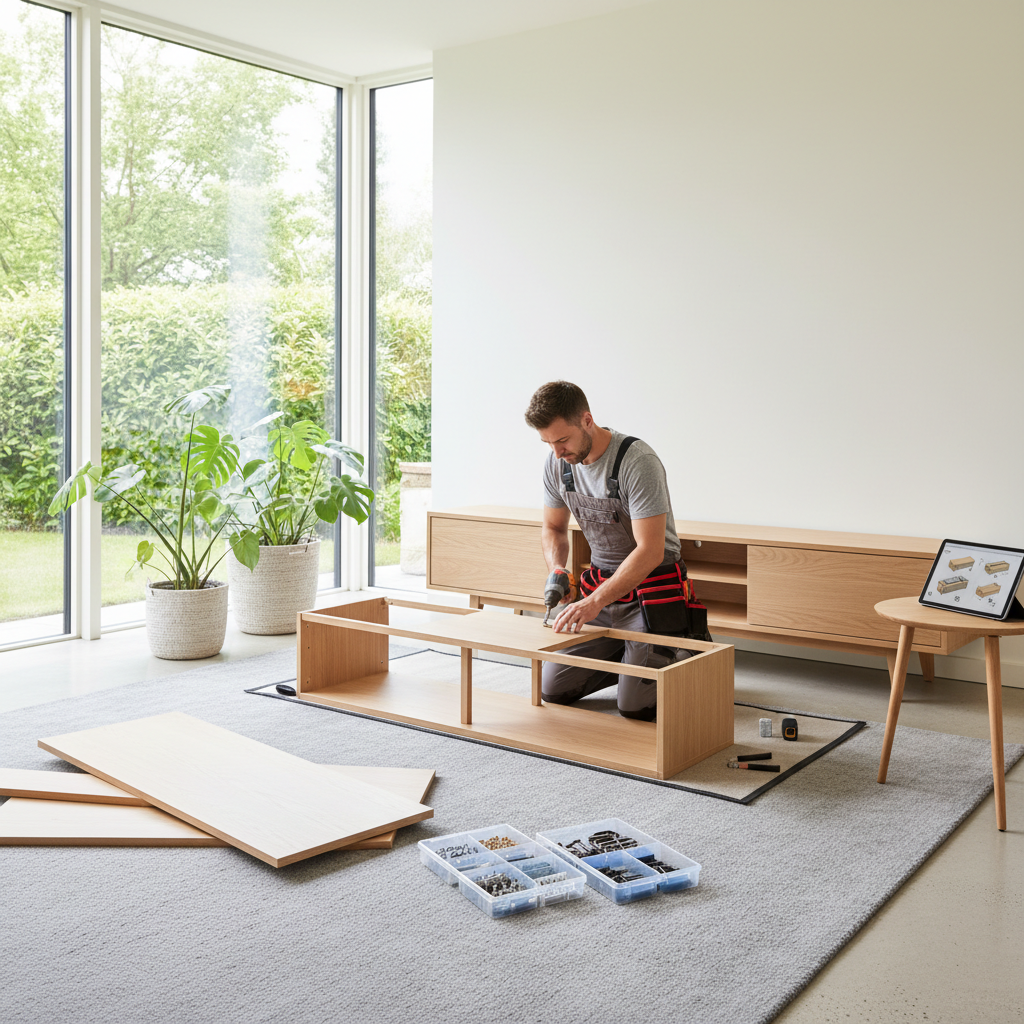
Building confidence with small fixes is helpful, but opening a flat-pack box represents a significant jump in complexity. Flat-pack furniture often arrives in heavy, unwieldy boxes that are difficult to maneuver through narrow Brooklyn stairwells and tight hallways. Once inside, the physical footprint of the unassembled pieces often exceeds the available floor space in a standard apartment. This logistical hurdle complicates DIY home repairs that require a large, clear workspace to organize hardware and panels correctly.
The technical side of furniture assembly carries risks that go beyond simple aesthetics. Using the wrong screwdriver size or applying too much torque can easily strip screws or crack delicate composite wood panels. If you do not have at least four hours of uninterrupted time and a second set of hands for stabilization, a DIY approach can lead to structural instability. A dresser that feels wobbly or a wardrobe with misaligned doors is often the result of rushing or missing a crucial step hidden in a cryptic manual.
Engaging expert furniture assembly ensures that pieces are not just put together, but are structurally sound and safe for daily use. Professionals arrive with specialized drivers and the experience to identify manufacturing defects that a novice might miss. This saves you from the frustration of a half-finished project cluttering your living room and guarantees that your investment in new furniture actually lasts.
Interior Painting: The Difference Between a Refresh and a Mess
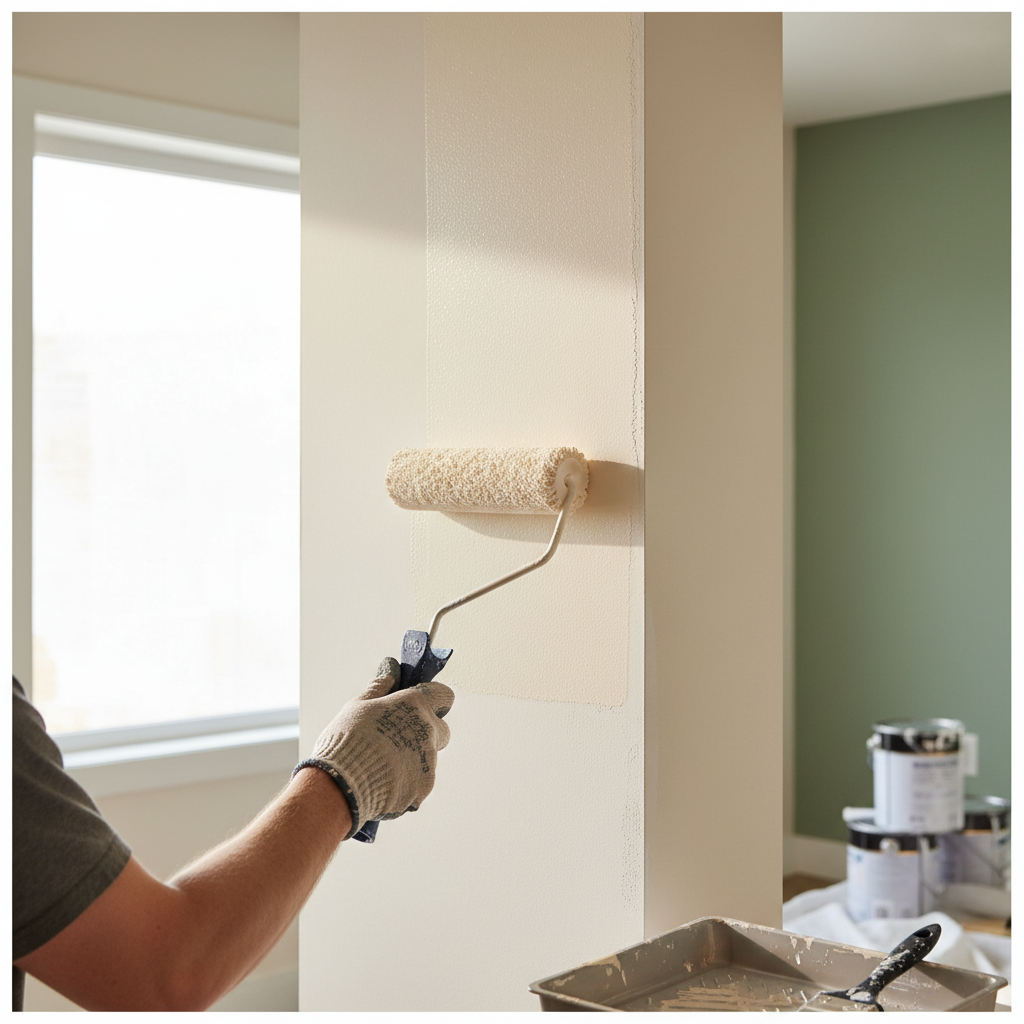
A fresh coat of paint is arguably the most transformative of all DIY home repairs, yet the quality of the final finish depends entirely on the hours spent before a brush touches the wall. A successful project requires meticulous preparation. This begins with clearing the room and laying down heavy canvas drop cloths; plastic sheets often shift and create slip hazards on Brooklyn hardwood floors. Next, use 220-grit sandpaper for scuff-sanding surfaces, which ensures the new layer bonds correctly. Cleaning walls with a TSP (trisodium phosphate) solution removes oils and dust that otherwise cause peeling. Applying high-quality painter's tape to baseboards and window frames is the final step, but it requires a firm seal to prevent paint bleed.
The gap between a basic refresh and a high-end result becomes apparent when dealing with the architectural complexities of local homes. High ceilings in lofts or historic brownstones require extension poles and steady ladder work that can be physically demanding and potentially dangerous for one person. Furthermore, intricate Victorian trim or ornate crown molding demands a level of cutting in precision that takes years to master. If walls have significant cracks, water stains, or deep gouges, simple spackling will not suffice; these issues require professional skim coating to create a truly level surface.
Investing in professional painting services adds tangible value to your property. A crisp, clean finish signals a well-maintained home, whereas a messy DIY job with visible brush strokes, uneven patches, or paint splatters on the flooring can actually detract from your home's worth. A professional ensures that every line is sharp and every surface is uniform, providing a level of durability that basic DIY methods often lack.
The TV Mounting Dilemma: Safety and Structural Integrity

Transitioning from cosmetic updates like painting to installing heavy hardware shifts the focus from aesthetics to structural safety. Mounting a television is one of the highest-stakes DIY home repairs because it combines expensive electronics with the unpredictable nature of New York City walls. In modern construction, locating a wooden stud is straightforward. However, Brooklyn brownstones and older apartments often hide layers of brittle plaster, wooden lath, or solid masonry behind the surface.
Standard drywall anchors cannot support the weight of a large television, especially when using articulating mounts that pull away from the wall. This creates a lever effect that puts immense strain on the mounting points. If a stud finder provides inconsistent readings, which is common with thick plaster, continuing without professional equipment risks a dangerous failure of the mounting system.
Working with brick or stone requires a hammer drill and specialized masonry bits to ensure the hardware bites into a solid substrate rather than just the mortar. Without these specific tools and a clear understanding of what lies behind the wall, you risk shattering your screen or causing permanent damage to your home's historic interior. Opting for secure TV mounting provides the assurance that your equipment is anchored correctly for the specific density of your walls.
The Danger Zone: Why Electrical and Plumbing Often Need a Pro
Understanding the boundaries of DIY home repairs is most critical when dealing with utility systems. While a homeowner can safely swap a showerhead or replace a vanity faucet aerator using basic pliers, deeper mechanical work presents severe risks. Any project that requires opening a wall to access pipes or manipulating a circuit breaker panel falls outside the scope of casual maintenance.
In Brooklyn, electrical errors are a primary cause of residential fires. Attempting to rewire a three-way switch or install a new outlet without understanding load calculations can overload the aging wiring common in local brownstones. Similarly, plumbing mistakes often lead to slow leaks behind drywall, resulting in mold growth or structural rot that remains hidden until it becomes a catastrophic flood. Beyond physical safety, New York City maintains strict building codes. Unlicensed work on gas lines or main waste stacks can lead to hefty fines and significant complications during property inspections or insurance claims. True mastery of home maintenance involves recognizing when a project requires a licensed specialist to ensure your property remains safe and compliant. Knowing your limits is the most valuable tool in your kit.
Why Calling Rays Home Help and Repair Saves More Than Just Time
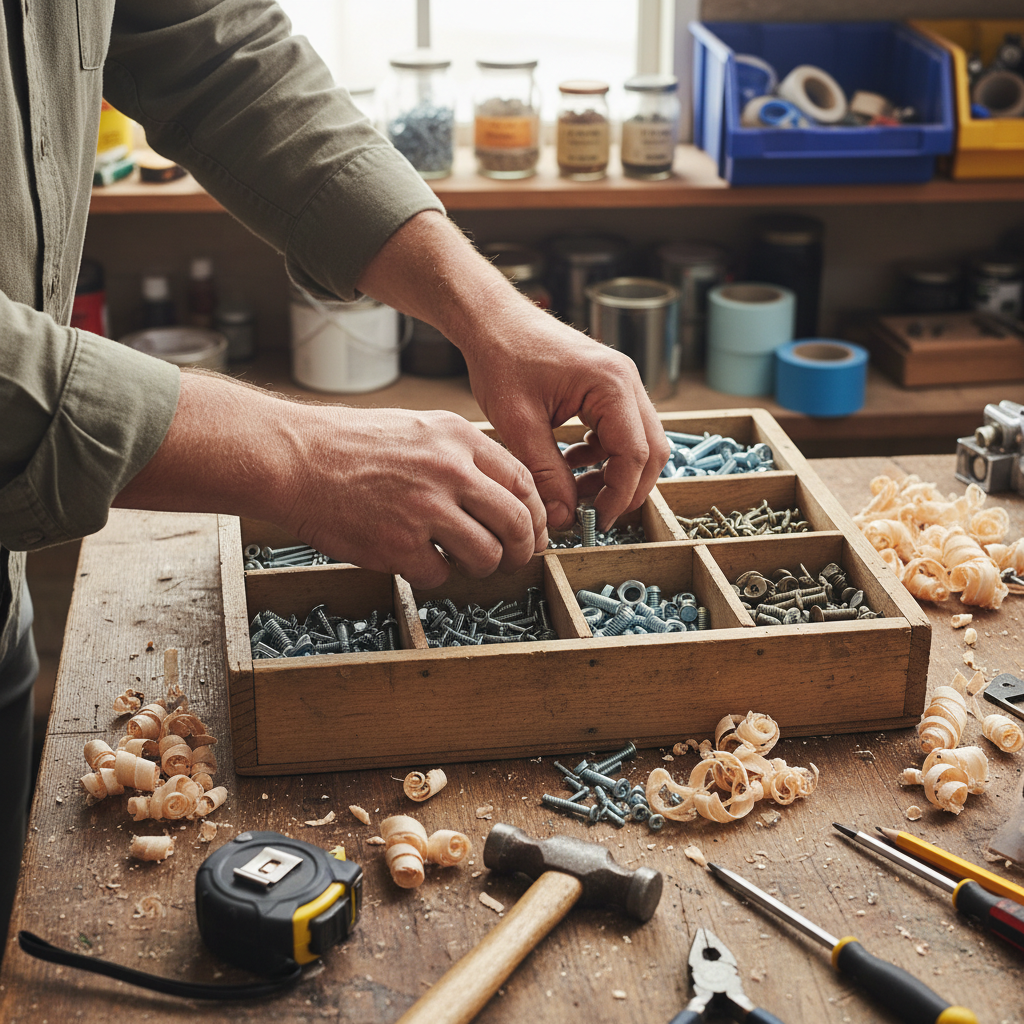
Ray's Home Help and Repair acts as a strategic partner for homeowners who value their property's long term health. While the appeal of DIY home repairs is understandable, a professional brings an inventory of specialized equipment, such as industrial grade hammer drills for masonry and high precision laser levels, that the average Brooklyn resident rarely keeps on hand. These tools are essential when navigating the borough's unique architectural quirks, from the uneven floors of historic walkups to the dense, brittle plaster found in pre-war buildings.
Hiring an expert for mid-level tasks provides a layer of protection that independent efforts often lack. For instance, investing in expert furniture assembly prevents the gradual loosening of joints that eventually leads to total structural failure. Similarly, secure TV mounting ensures your electronics do not become a safety liability due to improper anchoring in aging walls.
Choosing professional painting services or expert repair work also provides the peace of mind that comes with a service guarantee. If a project reveals an unexpected challenge behind a wall or under a floorboard, our experience with New York's specific housing stock allows us to pivot safely and effectively. This proactive approach identifies small issues before they escalate into high level emergency repairs, ultimately preserving both your budget and your home's integrity.